
Wonders of Yunnan

Discover Yunnan
This is the description in the top section of the Yunnan page
Most popular tours in Yunnan


Most popular cities in Yunnan


Explore the wonders of Yunnan
Wat our travelers say
-
aviv: “western Yunnan – special and memorable trip”
Read more: aviv: “western Yunnan – special and memorable trip”We’ve just returned from a full 12-day trip through western Yunnan. We started in the far south, near the Laos border, and gradually made our way north along the regions bordering Myanmar, all the way up to the edge of…
-
Valerie: “Excellent Experience”
Read more: Valerie: “Excellent Experience”Katherine was very patient and professional throughout the booking process. She ensured that we were kept updated about our bookings and always replied promptly. She also provided good suggestions on where to go/what to do, and suitable train timings. Our…
-
Kar: “Kunming – Luoping – Jianshui”
Read more: Kar: “Kunming – Luoping – Jianshui”Katherine was amazing and responsive to my questions and the driver chosen for us was very pleasant and helpful. He answered all our questions. Review from Tripadvisor
The name Yunnan means ‘South of the Clouds’. A uniquely diverse landscape in the foothills of the Himalayas has protected a myriad of local ecosystems and cultures with its steep mountain valleys and cloudy forests, creating a biodiversity hotspot that is home to a rich diversity of different ethnic spiritual traditions, languages, customs and food.
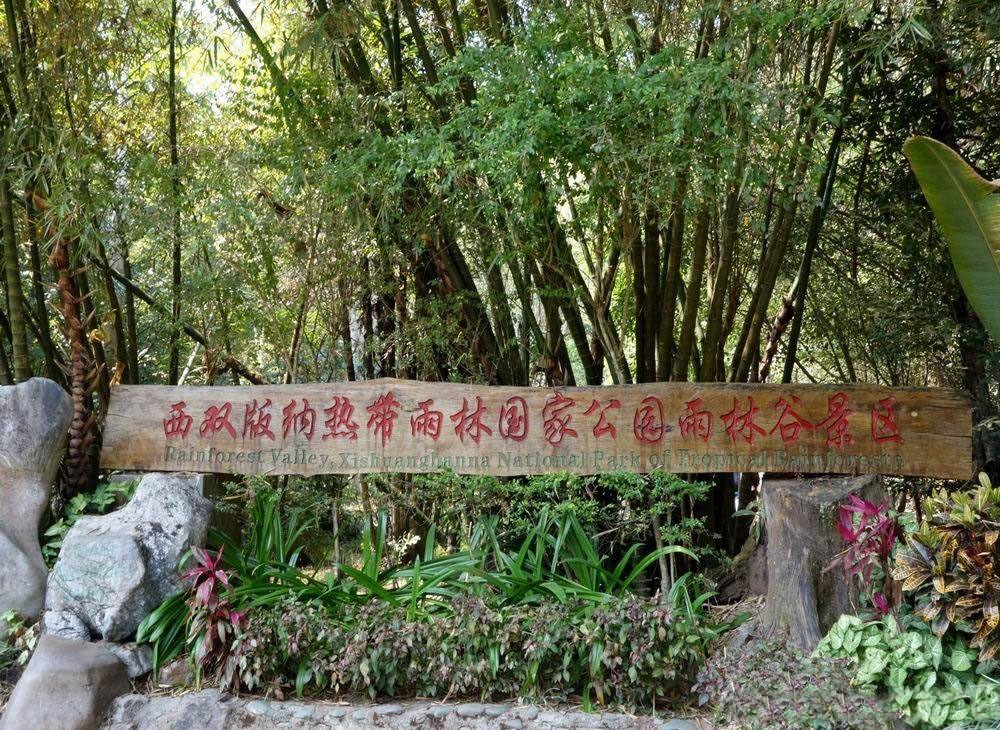
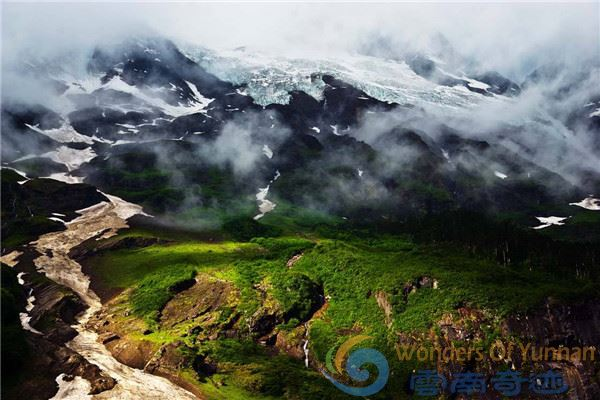
Situated in the far southwest of China, Yunnan is by far the most ecologically and culturally diverse province in the country. In the south, the subtropical rainforests of Xishuangbanna are home to wild Asian elephants as well as one quarter of all animal species in China, marking it as an unmissable destination for ecotourists and nature lovers. Conversely, the steep, snow-capped mountains of Shangri-La in the north offer countless trekking opportunities.
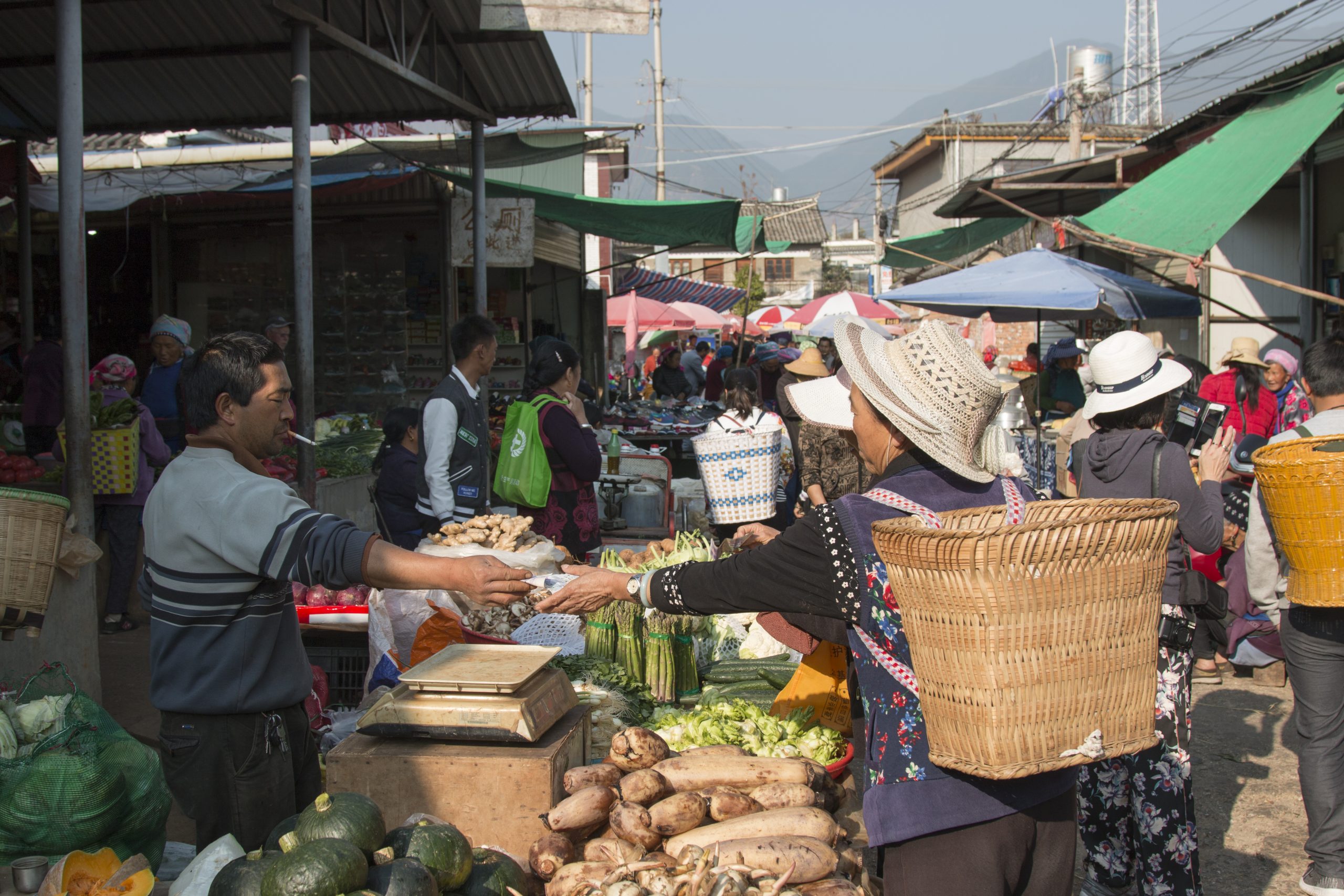
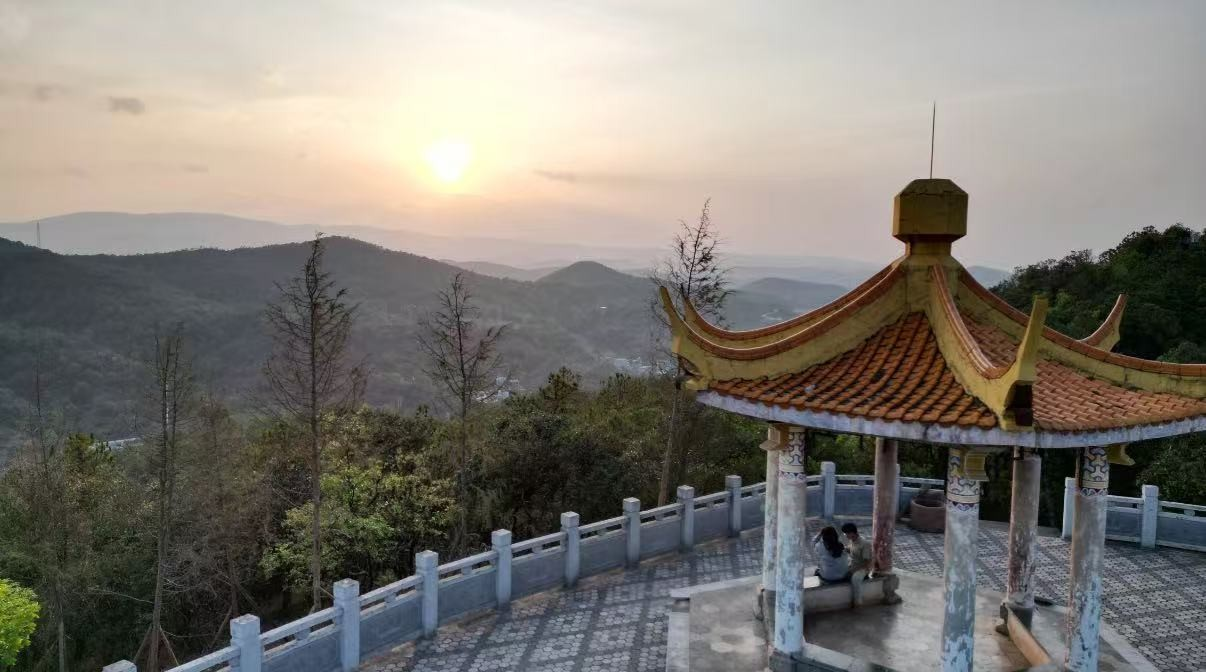
Due to its position at the crossroads of China and Southeast Asia, Yunnan celebrates a vibrant diversity of cultures, language and traditions and is home to 25 of China’s 56 officially recognised minorities. Around a third of the population is recognised as an ethnic minority, predominantly Yi, Bai, Dai, Miao, Naxi or Tibetan. At the heart of Yunnan is the capital city of Kunming, dubbed the “City of Eternal Spring” for its perpetual mild climate. This provides the perfect conditions to grow its impressive range of flowers and makes Kunming the largest flower export base in Asia. The city is home to Dianchi Lake, a gigantic freshwater lake with sweeping views of the surrounding Western Hills.
Yunnan’s staggering biodiversity is reflected in its different cuisines, with an extraordinary variety of local specialties. You can sample deep-fried insects and other delicacies served on banana leaves in Xishuangbanna, the famous Crossing the Bridge rice noodles of Honghe, hearty Tibetan momo or Yak steak and even local cheese varieties. If visiting during the rainy season, you must try the “Wild Mushroom Hotpot,” guaranteed to convert even the fussiest diners among us into mushroom lovers. Another attraction is the local wineries, developed with grapevines brought by French missionaries in the 19th century. One cannot visit the province without trying the world famous Pu’er tea. Cultivated in ancient mountain forests for over 1800 years, this tea has the quality of aging like fine wine, therefore developing a uniquely rich and mellow aroma.
As well as the opportunities for adventure, Yunnan is also known for a relaxing, slow-paced lifestyle compared to other regions in China. This can be most easily discovered in the artistic atmosphere of Dali, the serene traditional heritage of Shaxi, or even in Kunming where locals embrace slow mornings, leisurely park strolls and afternoon tea drinking. Undoubtedly, a trip to Yunnan will leave a lasting impression on every visitor, whatever their travel style.